Toxic foods: 8 hidden traps in an ordinary kitchen
Hello, Judith here. To avoid the main food-related pitfalls, look out for risky ingredients and handle or store them properly. Raw cassava, green potatoes or undercooked kidney beans: ordinary foods can make you ill if consumed improperly. A few simple habits make everyday cooking safer, without banning these foods from your menu.
Do this right away
- Discard green, heavily sprouted or bitter-tasting potatoes.
- Bring dried kidney beans to a vigorous boil for at least 10 minutes after soaking.
- Never eat rhubarb leaves; eat only the stalks.
- Never taste a wild mushroom unless it has been identified by an expert.
- If in doubt about a food or how it was stored, don’t serve it.
These steps reduce certain risks, but they don’t replace good hygiene: keep an eye out for expired products, mold, improper storage and cross-contamination between raw and ready-to-eat foods. To spot warning signs, also see the signs that should prompt you to act and what to do when you’re still unsure.
Eight risky foods found in an ordinary kitchen
The danger often depends on the amount, the preparation and the person eating the food. For example, someone with kidney disease needs to take special precautions with star fruit.
| Food | The risk | What to do |
|---|---|---|
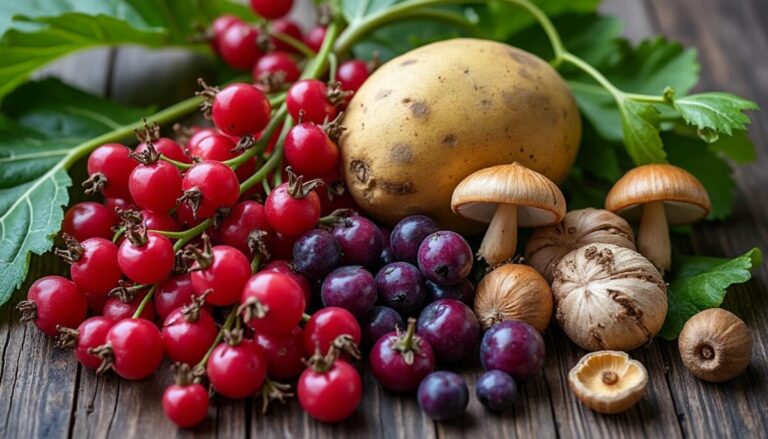
| Green or heavily sprouted potatoes | Solanine can cause digestive and neurological symptoms. | Discard potatoes that are extensively green, sprouted or bitter: peeling isn’t always enough. |
| Dried kidney beans | Raw or undercooked, they contain a lectin that can cause food poisoning. | Soak them, discard the water, then bring them to a vigorous boil for at least 10 minutes before continuing to cook them. Canned beans are already cooked. |
| Rhubarb leaves | They are high in oxalates and are not meant to be eaten. | Use the stalks and discard the leaves. |
| Nutmeg | A very large amount can cause nausea, confusion or hallucinations. | Limit yourself to a small culinary amount; never use it to seek a psychoactive effect. |
| Wild mushrooms | A toxic species can look like an edible one. | Have your harvest checked by a trained pharmacist or an expert before cooking it. |
| Cassava | Some natural compounds can release cyanide if the root is raw or improperly prepared. | Buy it from a reliable source and follow preparation methods appropriate to the variety, such as soaking, fermenting or cooking. |
| Star fruit | It can cause serious complications in people with kidney failure. | If you have kidney disease, avoid it unless your doctor advises otherwise. |
| Pits and seeds | Chewing or grinding a large amount can release cyanogenic compounds. | Don’t bite into cherry pits or apple seeds. If you accidentally swallow a pit whole, the risk is generally different from that of a chewed pit. |
Here’s a concrete example: a kidney bean dish prepared directly in a slow cooker may not reach the vigorous boil required. It’s best to boil the beans first, then add them to the recipe. For potatoes, extensive green discoloration means you should discard the tuber rather than rely on peeling alone.
Food hazards aren’t limited to natural toxins
Even a food with no particular toxin can become dangerous if it is stored improperly or contaminated. Raw meat juices on a ready-to-serve salad, a refrigerator that is too warm or mold on a perishable product can compromise food safety.
Follow storage instructions and use-by dates, keep raw foods separate from cooked foods, and wash your hands and utensils between preparations. If you’re unsure about the smell, appearance or cold chain, don’t taste the food to check: throw away any suspect product.
Three steps to reduce risks in the kitchen
- Identify the food. Check its condition, source and any precautions specific to its preparation. For wild mushrooms, don’t rely solely on an app or a photo.
- Prepare it properly. Follow cooking instructions, keep raw and cooked foods separate, and use clean utensils.
- Act quickly if someone becomes ill. Call a poison control center or emergency services if symptoms are serious, and keep the packaging or some of the food, if possible.
Vomiting, diarrhea, confusion or seizures after a meal require medical evaluation, especially in a child, an older adult or someone who is medically vulnerable. Don’t make the person vomit or try home remedies without professional advice.
Frequently asked questions about toxic foods
Should you throw away every potato that has turned green?
If it is extensively green, heavily sprouted or bitter, the safest thing is to throw it away. Peeling does not guarantee that the solanine will be removed.
Do canned kidney beans need to be boiled for ten minutes?
No, they are already cooked. This precaution applies to dried kidney beans, which must be brought to a vigorous boil for at least ten minutes before continuing to cook them.
What should you do if a child has chewed a cherry pit?
Contact a poison control center or a healthcare professional right away, and provide the child’s age, the amount and when it happened. Don’t wait for symptoms to appear before seeking advice.
Is star fruit dangerous for everyone?
It poses a serious risk mainly to people with kidney failure. They should ask their doctor for advice and avoid eating it unless advised otherwise.
Thanks for reading! If this topic resonates with you, I’d love it if you left me a comment at the bottom of the article. — Judith