
Food: what children give without realizing the danger
Hi, it’s Judith. Children often give food without realizing how dangerous some of it can be, especially due to the risk of choking or allergic reaction. The key is to be well aware of these dangers and adopt a rapid and effective prevention.
To do immediately
- Cut dangerous foods like grapes into small pieces.
- Supervise children closely during meals.
- Avoid hard candies and whole nuts for children under 6 years old.
- Introduce food allergens gradually while observing reactions.
- Promote a varied diet with safe alternatives to risky foods.
For a healthy and safe diet, it’s important to offer children a variety of foods while being aware of which foods can pose a risk. Fruits and vegetables are essential, but be mindful of their shape and texture to prevent choking. In this regard, prioritizing vitamin-rich green vegetables and whole grains is beneficial. At the same time, the A varied diet is recommended for children emphasizes the importance of a balanced diet. But it’s also crucial to remain vigilant regarding potentially dangerous foods: to that end, discover the main risky foods and their safe alternatives is essential to avoid accidents.
The most dangerous foods that children give without realizing the risk
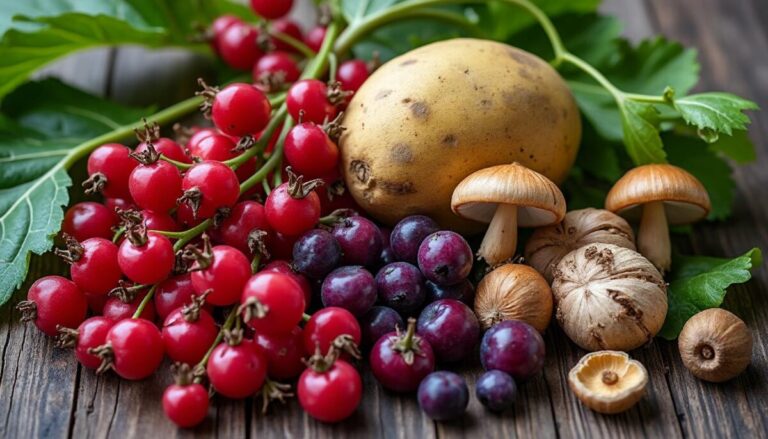
Children are often unaware of choking hazard or allergies related to certain foods. For example, whole fruits like grapes, cherry tomatoes, or raw apple pieces can easily block the airways of a young child’s mouth. Whole nuts and seeds, while very nutritious, are also a common cause of choking in young children, especially under 6 years old. Be careful with hard candies or chewing gum as well, as these can cause blockages.
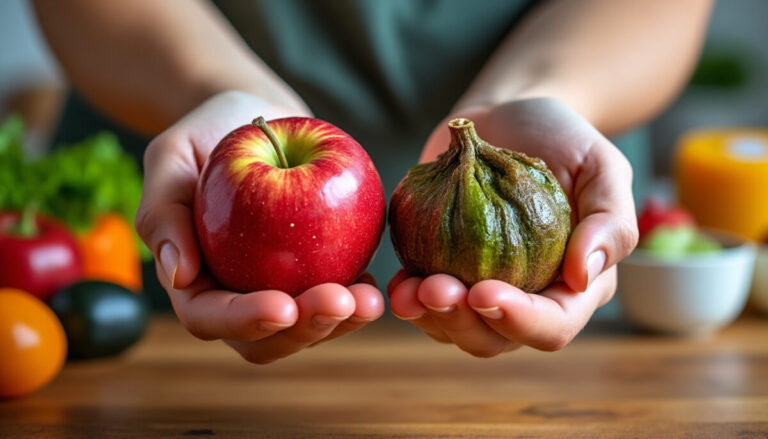
A common mistake is thinking that fruit juice replaces a serving of fruit. However, it is very low in fiber and has less of an effect on satiety. It’s better to offer a fresh, well-cut piece of fruit. Finally, ultra-processed deli meats and nuggets should be seriously limited because they often contain a lot of fat and few real nutrients.
How can these risks be prevented?
By following simple rules:
- Cut food into pieces appropriate for the age.
- Cook the vegetables until they are tender.
- Keep a close eye on children during meals, especially those under 4 years old.
- Educate children to chew thoroughly before swallowing.
- Learn first aid techniques such as the Heimlich maneuver.
A varied and balanced diet: a shield against dangers
Instilling good eating habits in children not only helps them grow up healthy, but also minimizes the risk of food-related accidents. Vegetables, fruits, whole grains, and legumes should be prioritized. They provide vitamins, fiber, and sustained energy.
Calcium, essential for growth, comes primarily from dairy products. However, for children with allergies, alternatives such as fortified plant-based milks should be used after consulting a doctor. As for protein, meat, fish, and eggs are important, but should be consumed in moderation and always in pieces suitable for their chewing ability. Limiting processed meats and ready-made meals is also key.
Table of foods to avoid and safe alternatives
| Risky foods | Hazards | Safe alternatives |
|---|---|---|
| Grapes, whole cherry tomatoes | Risk of suffocation | Cut into quarters or smaller pieces |
| Nuts, whole seeds | Aspiration, allergies | Grind finely or use as a puree |
| Hard candies, chewing gum | Airway blockage | Sugar-free soft candies or fresh fruit |
| Excessive processed meats | Saturated fats, allergies | Cooked ham, lean meats in small portions |
| Industrial fruit juices | Too sugary, lack of fiber | Whole fruits or smoothies without added sugar |
Food education and monitoring: the keys to preventing accidents
Food education plays a major role in prevention. Teaching children to recognize risky foods, involving them in food preparation, and helping them learn how to eat well promotes their food safety. Mealtimes should be calm and distraction-free so that children become aware of their chewing process.
Constant supervision is also essential. More than 80% of choking accidents occur unattended. Training families in the Heimlich maneuver is a vital skill that few parents have yet mastered. Some families have even reported that this technique saved their child’s life in critical situations.
3 simple steps to safer eating
- Step 1: Adapt the size and texture of food to the child’s age and chewing abilities.
- Step 2: Create a calm environment during meals, free from distractions and commotion.
- Step 3: Actively monitor, while involving the child in educational activities on food safety.
How to quickly recognize and manage food poisoning in children?
Sometimes, improperly stored or contaminated food causes symptoms such as vomiting, diarrhea, or fever. In 2026, it is crucial to know how to react quickly to limit the damage. Prevention involves good hygiene, proper storage, and avoiding raw foods for young children (e.g., eggs, raw milk). If food poisoning is suspected, it is essential to consult a healthcare professional without delay.
What foods absolutely must be cut up for young children?
Grapes, cherry tomatoes, raw apples and carrots should be cut into small pieces or cooked to avoid the risk of choking.
Why should whole nuts be avoided in children under 6 years old?
They present a significant risk of choking and aspiration; it is better to reduce them to powder or puree.
Can fruit juice replace a serving of fruit?
No, fruit juice is low in fiber and does not fill you up as much as a whole fruit, so opt for fresh fruit or smoothies.
What are the essential precautions to take during meals?
Actively monitoring the child, avoiding distractions, and teaching them to chew well before swallowing are practices to adopt.
What to do in case of choking?
It is essential to know and practice the Heimlich maneuver; first aid training is recommended.