Pet Food: What We Forget in the Garden
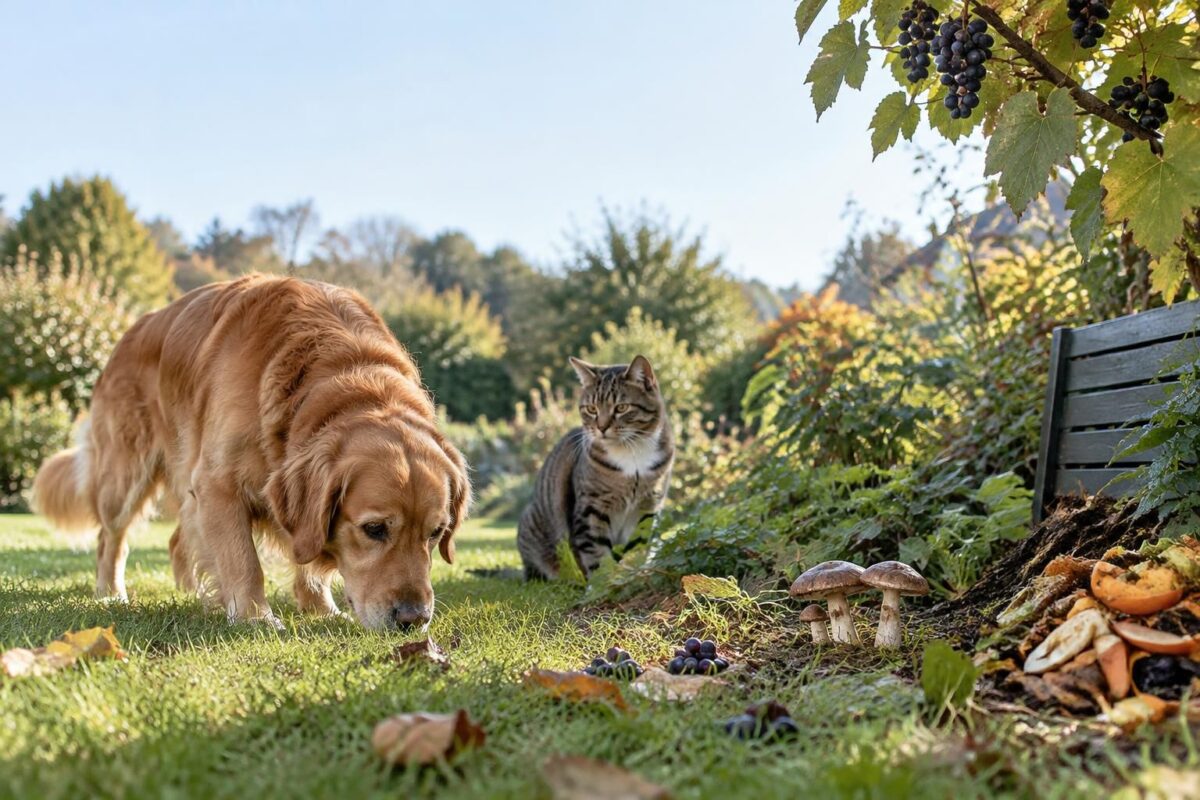
Hello, Judith here. In the garden, the most important thing is not to leave food within reach and to provide clean water and suitable shelter instead. Forgotten food bowls, fallen fruit and an unsecured compost bin can sometimes attract unwanted visitors. A few simple steps help protect both pets and wildlife.
Things to do right away
- Pick up food scraps and fallen fruit before nightfall.
- Bring your dog’s or cat’s outdoor food bowl inside after meals.
- Provide fresh water in a shallow container that is cleaned every day.
- Secure the compost bin and put food bags away to avoid attracting rodents.
- Keep animals away from toxic plants, pesticides and freshly applied fertilizer.
These habits reduce risks without depriving helpful visitors of their habitat. To better identify the wildlife around you, see these guides to animal droppings in the garden and these tips on whether to feed wild animals.
The common pitfall: feeding animals leftovers
A piece of bread or the remains in a food bowl may seem convenient, but this habit attracts rodents and may not be suitable for wild animals. Hedgehogs, birds and cats have very different needs; salty, sweet or seasoned leftovers may not be appropriate for them.
Bird food should be chosen according to the species and offered in a well-maintained feeder. For other visitors, it’s better to focus on creating a welcoming garden: hedges, tall grass, woodpiles and shelter from the heat provide natural food and refuge without creating dependence on regular feeding.
Clues left by nocturnal visitors
Droppings, signs of gnawing or food that has been moved can indicate a visit. Their appearance offers clues, but an animal’s diet changes their color and texture, so identifying an animal from a single detail is uncertain.
| Possible animal | Common clues | Helpful precaution |
|---|---|---|
| Hedgehog | Small, dark droppings, often elongated, sometimes containing insect remains | Leave it a route through and a hiding place, without handling it. |
| Fox | Elongated, sometimes pointed droppings, containing hair or fruit remains | Never touch droppings with bare hands; keep children and pets away. |
| Squirrel | Small, usually dry droppings near trees or frequented areas | Look for signs around trees and food stores. |
| Rat | Small, elongated droppings, sometimes clustered depending on the species | Repeated signs warrant a careful check of the compost and food stores. |
| Cat or marten | Droppings that can be difficult to distinguish; cats often bury them in loose soil | Don’t jump to conclusions about which animal is present. |
If in doubt, don’t pick up droppings without protection, and avoid any contact with your skin. A strong odor, repeated signs or significant damage may indicate a problem that warrants advice from a professional; droppings alone are not always enough to identify the animal.
Welcome wildlife without turning the garden into a cafeteria
Garden animals contribute to the balance of nature: birds eat certain insects, hedgehogs hunt slugs and other small prey, while pollinators help plants reproduce. To welcome them, a variety of plants and undisturbed areas are often more useful than putting out food.
A practical example: after leaving kibble outside all night, a family notices regular visits near the patio. By bringing the bowl inside after meals and securing the compost bin, they make the area less attractive while keeping a shady spot with clean water.
Three steps to manage food safely in the garden
- Remove sources of attraction. After each meal, bring the outdoor food bowl inside, pick up food scraps and fallen fruit, then secure the garbage bins and compost.
- Check for risks to animals. Identify toxic plants, put pesticides away and follow fertilizer instructions before letting dogs and cats roam in treated areas.
- Replace improvised feeding with suitable habitat. Provide fresh water and change it daily, keep natural shelters and reserve bird food for well-maintained feeders.
Finding the right balance doesn’t mean feeding every animal that passes through, but making the garden safe and welcoming. By limiting access to food, you protect your companions while letting wildlife find its place naturally.
Helpful questions about feeding animals in the garden
Can you leave a water bowl outside?
Yes, if the water is fresh and the container is shallow and cleaned every day. Place it in the shade and change the water regularly.
Are table scraps suitable for wild animals?
It’s best to avoid them. Salty, sweet or seasoned foods may be unsuitable and can attract rodents or other unwanted visitors.
How can you avoid attracting rats to the garden?
Put food away, remove scraps after meals, pick up fallen fruit and properly secure the compost and garbage bins.
Should you touch droppings found in the garden?
No. Avoid direct contact, keep children and pets away, and use suitable protective equipment if cleanup is necessary.
Thanks for stopping by, Judith. Feel free to leave a comment if you’d like to share your experience or opinion.